How Aluminum Foundry Adds To Developments in Aerospace Engineering
Aluminum shops are indispensable to developments in aerospace design. They generate lightweight, high-strength parts that are essential for modern-day airplane. Through advanced spreading strategies, these factories develop complicated geometries that boost architectural integrity. In addition, the development of remarkable Aluminum alloys supports the market's emphasis on fuel performance and sustainability. Obstacles stay in the manufacturing procedure. Comprehending these variables exposes the extensive effect of Aluminum on aviation's future.
The Relevance of Lightweight Materials in Aerospace Design
As the aerospace sector remains to evolve, the significance of lightweight materials becomes significantly apparent. The need for effectiveness and sustainability drives engineers to focus on using products that lower overall weight without jeopardizing architectural honesty. Lightweight materials, specifically Aluminum, play a necessary role in enhancing fuel performance, improving payload ability, and increasing the overall efficiency of aircraft.
The assimilation of these products permits for cutting-edge layouts, making it possible for manufacturers to create even more wind resistant shapes that can endure extreme conditions. The reduction in weight not just lowers operational expenses but likewise adds to a reduced ecological impact, straightening with international efforts towards sustainability in air travel.
Advanced Spreading Techniques in Aluminum Foundries
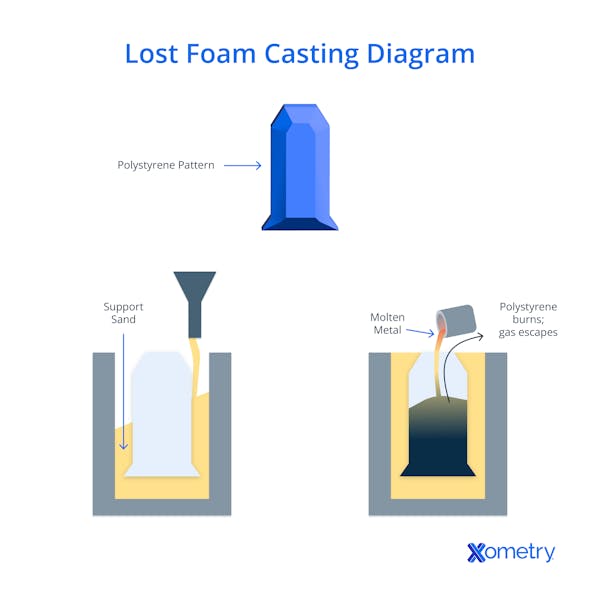
Advanced spreading techniques in Aluminum factories play an important duty in aerospace engineering by enabling the manufacturing of specific and light-weight elements. Advancements in mold design and precision casting processes are vital in accomplishing suitable performance and architectural honesty. Furthermore, the growth of light-weight alloys boosts the overall effectiveness and performance of aerospace applications.
Cutting-edge Mold Layout
Ingenious mold layout plays a vital role in the performance and efficiency of Aluminum foundries, specifically within the aerospace sector. By leveraging sophisticated materials and methods, contemporary molds can be crafted to stand up to heats and pressures, making certain peak efficiency during the casting process. These layouts typically incorporate complex geometries that enable the production of lightweight yet structurally audio elements, vital for aerospace applications. In addition, using computer-aided style (CAD) software promotes accurate modeling, allowing foundries to improve and replicate mold styles prior to physical production starts. This not just enhances the high quality of actors parts however likewise lowers waste and preparation, resulting in substantial expense financial savings. Overall, innovative mold design is a foundation of development in Aluminum Foundry technology for aerospace engineering.
Precision Casting Processes
The effectiveness of ingenious mold layouts flawlessly integrates with precision spreading processes, which are essential for creating high-grade Aluminum components in aerospace engineering. These processes, including sand spreading, die casting, and financial investment spreading, assure the creation of complicated geometries with limited resistances. Advanced strategies like vacuum cleaner spreading and stress pass away casting boost the integrity and surface finish of the end products. Accuracy spreading reduces material waste while maximizing the mechanical homes of Aluminum, crucial for aerospace applications. Additionally, using real-time tracking and advanced simulation tools during the casting procedure permits prompt adjustments, resulting in enhanced quality control. Jointly, these accuracy spreading processes setting Aluminum factories at the forefront of aerospace development, supporting the sector's need for integrity and efficiency.
Light-weight Alloy Growth
As aerospace engineers look for to enhance gas effectiveness and performance, lightweight alloy advancement ends up being an essential emphasis in Aluminum factories. These foundries use innovative casting techniques to create alloys that provide premium strength-to-weight proportions. Advancements in alloy composition, consisting of the consolidation of elements like lithium and magnesium, enable the manufacturing of products that withstand severe conditions while minimizing overall airplane weight. Methods such as die spreading and financial investment casting promote the precision production of intricate shapes, which are vital for aerospace applications. Furthermore, ongoing research aims to optimize these alloys for improved mechanical homes and enhanced resilience. By focusing on lightweight alloy advancement, Aluminum shops substantially contribute to the advancement of aerospace engineering, paving the means for much more reliable and sustainable aircraft layouts.
Enhancing Architectural Integrity With Aluminum Elements
Aluminum components use considerable benefits in boosting structural stability within aerospace engineering. Their lightweight nature adds to general effectiveness while keeping strength, which is crucial for airplane performance. In addition, the anxiety resistance residential or commercial properties of Aluminum help guarantee the toughness and integrity of aerospace frameworks under different operational conditions.
Lightweight Product Conveniences
While typical products frequently jeopardize weight for toughness, using Aluminum components in aerospace design provides significant benefits in structural integrity. Aluminum's light-weight nature adds to overall style effectiveness, enabling even more structured airplane that eat much less gas, thereby improving sustainability. The material's superb strength-to-weight proportion warranties that elements maintain durability without including unnecessary mass. This quality cultivates enhanced performance and dexterity in flight, as well as optimized payload capacities. Additionally, Aluminum's resistance to rust prolongs the life-span of aerospace structures, reducing maintenance costs and improving security. As makers progressively embrace Aluminum alloys, the aerospace industry experiences a transformative shift in the direction of a lot more reliable and efficient design services that focus on both performance and ecological duty.
Anxiety Resistance Features
Although various products possess special buildings, Aluminum's outstanding stress resistance sticks out as an essential consider try these out boosting the structural stability of aerospace parts. This resistance plays an essential duty in making sure that airplane can hold up against various operational tensions, including tiredness, effect, and ecological problems. Aluminum alloys, especially crafted for aerospace applications, show high tensile toughness while keeping light-weight characteristics, enabling designers to make more efficient frameworks - Aluminum Foundry. In addition, the capacity of Aluminum to sustain cyclic loading without substantial contortion adds to the durability and dependability of aerospace elements. As developments continue in Aluminum Foundry techniques, the development of stress-resistant Aluminum parts guarantees additional enhancements in efficiency, security, and effectiveness across the aerospace sector, strengthening Aluminum's function as a recommended product in contemporary engineering
Gas Effectiveness Improvements Driven by Aluminum Innovations
As the aerospace industry looks for to improve fuel efficiency, cutting-edge usages of Aluminum have become an essential remedy. Aluminum's lightweight nature notably lowers airplane weight, permitting reduced gas usage during trip. This decrease in weight is crucial, as even small reductions can result in significant enhancements in total fuel economic climate.
Advanced Aluminum alloys, developed for boosted strength and durability, make it possible for makers to create elements that keep structural honesty while reducing mass - Aluminum Foundry. In addition, the assimilation of Aluminum in airframes and engine parts assists in improved aerodynamics, adding to reduced drag and boosted effectiveness
The fostering of Aluminum in aerospace not only satisfies the need for fuel-efficient design but likewise lines up with governing pressures for lower exhausts. As these advancements proceed to progress, they play a substantial role in setting brand-new standards for fuel efficiency, making certain that the aerospace sector can fulfill growing ecological and economic difficulties.
The Duty of Aluminum in Sustainable Aeronautics Practices
The raising emphasis on sustainable aviation techniques has actually placed Aluminum as an important product in the pursuit for greener airplane style. Understood for its light-weight properties, Aluminum substantially reduces aircraft weight, leading to lower fuel usage and discharges. Its recyclability better enhances its sustainability profile, as Aluminum can be reused forever without loss of high quality. This characteristic supports a circular economic situation within the aviation industry, lessening waste and resource exhaustion.
In addition, developments in Aluminum alloys have actually improved their strength and rust resistance, enabling longer solution life and minimized upkeep demands. These developments help with the advancement of much more reliable airplane structures, adding to general sustainability initiatives. Furthermore, Aluminum's thermal conductivity plays an essential role in energy-efficient styles, improving systems such as warmth exchangers. Collectively, these features emphasize Aluminum's critical role ahead of time sustainable aviation, lining up with global learn the facts here now initiatives focused on decreasing the ecological effect of air traveling.
Difficulties Faced by Aluminum Foundries in Aerospace Manufacturing
While Aluminum shops play an essential function in aerospace production, they deal with considerable obstacles that can influence manufacturing efficiency and quality. One significant obstacle is the stringent quality assurance requirements required in the aerospace industry. Any kind of flaw can compromise safety and security and efficiency, necessitating extensive inspection processes that prolong production timelines. In addition, shops commonly emulate varying resources expenses, which can influence rates and success. The complexity of Aluminum alloys utilized in aerospace applications further complicates the production process, as specific formulations are crucial for attaining wanted mechanical homes. Proficient labor lacks prevent the capacity to maintain top quality production degrees. Finally, ecological laws impose constraints on discharges and waste management, requiring foundries to spend in lasting methods, which can be cost-prohibitive. These aspects jointly develop a landscape where Aluminum shops have to continuously adapt to meet the developing demands of aerospace manufacturing while making certain safety and security and compliance.
Future Fads in Aluminum Applications for Aerospace Engineering
With developments in modern technology and boosting needs for effectiveness, the future of Aluminum applications in aerospace engineering is positioned for considerable change. The assimilation of ingenious Aluminum alloys and compounds is anticipated to improve strength-to-weight ratios, causing more fuel-efficient airplane designs. In enhancement, advancements in additive production strategies will permit the production of complex Aluminum frameworks that were previously impossible, enhancing performance and lowering waste.
Lasting methods will certainly play a vital duty, with an expanding emphasis on recycling Aluminum to lessen ecological impact. The aerospace field is most likely to embrace smarter manufacturing procedures, such as automation and expert system, ensuring higher quality and precision in Aluminum parts. Collaborations in between Aluminum shops and aerospace firms will certainly cultivate study and growth, leading the way for brand-new applications that satisfy the rigid demands of contemporary aerospace engineering. In general, the future looks guaranteeing for Aluminum's function fit the skies
Often Asked Inquiries
What Are the Ecological Effects of Aluminum Manufacturing in Aerospace?
The ecological effects of Aluminum production in aerospace consist of substantial energy usage, greenhouse gas discharges, and habitat interruption. Additionally, mining processes can lead to dirt deterioration and water contamination, increasing worries concerning sustainability and eco-friendly equilibrium.
Just How Does Aluminum Compare to Other Products in Aerospace Applications?
Aluminum uses a special combination of light-weight buildings, rust resistance, and cost-effectiveness compared to other products. Its high strength-to-weight ratio makes it specifically helpful for aerospace applications, enhancing gas efficiency and overall efficiency in aircraft style.
What Qualifications Do Aluminum Foundry Employees Need for Aerospace Projects?
Aluminum Foundry workers call for specific training in metallurgy and casting techniques, along with knowledge of aerospace sector requirements. Accreditations in quality assurance and safety and security procedures are also important to guarantee conformity with stringent aerospace job demands.
Exist Any Type Of Safety And Security Issues With Making Use Of Aluminum in Aerospace Engineering?
Security concerns pertaining to Aluminum in aerospace engineering include sensitivity to fatigue, stress, and deterioration cracks. Correct treatment and alloy selection are important to reduce these threats, making certain architectural integrity and overall security in aerospace applications.
Exactly How Does Aluminum Recycling Benefit the Aerospace Market?
Aluminum reusing substantially profits the aerospace sector by reducing material costs, lessening ecological influence, and saving energy. This sustainable method enhances the market's performance while promoting making use of lightweight, high-performance components in aircraft manufacturing.
Advanced spreading strategies in Aluminum shops play an important function in aerospace engineering by enabling the production of precise and lightweight parts. Cutting-edge mold and mildew layout plays a crucial duty in the effectiveness and efficiency of Aluminum foundries, particularly within the aerospace sector. blog As aerospace designers look for to improve fuel efficiency and efficiency, light-weight alloy advancement ends up being a vital focus in Aluminum shops. Aluminum alloys, particularly engineered for aerospace applications, exhibit high tensile toughness while preserving lightweight features, allowing engineers to develop more reliable structures. Partnerships between Aluminum shops and aerospace companies will certainly promote study and advancement, leading the method for new applications that fulfill the rigorous demands of modern aerospace design.